If you’ve ever received a short reply like “hu” in a chat and paused for a second wondering what it meant, you’re not alone.
Many people search for hu meaning in text because the word feels confusing, casual, and context-dependent. Is it a question? A reaction? Or just a lazy typo?
In today’s fast-moving digital conversations, short expressions like “hu” have become common, especially on WhatsApp, Instagram, Snapchat, and online dating apps.
Sometimes it shows confusion, sometimes interest, and sometimes pure boredom.
This article breaks down the exact meaning of “hu”, where it comes from, how people actually use it in real life, and how you should reply.
Whether you’re a student, a professional, or just someone trying to decode modern texting language, this guide will give you clarity—without confusion.
1️⃣ Meaning & Definition of “Hu”
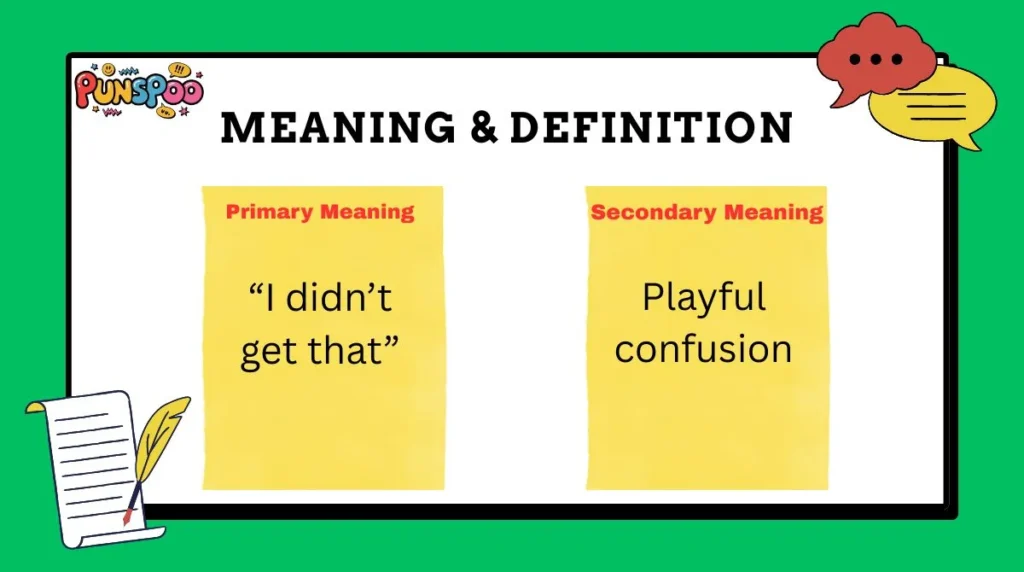
The meaning of “hu” in text depends heavily on context, tone, and conversation flow. At its core, “hu” is an informal expression, not a proper word.
Primary Meaning
Most commonly, “hu” means confusion or surprise. It’s similar to saying:
- “Huh?”
- “What?”
- “I didn’t get that”
Example:
- A: “I’ll see you after the thing.”
- B: “Hu?”
Here, “hu” clearly shows confusion.
Secondary Meanings
In some cases, “hu” can also mean:
- Mild curiosity
- Playful confusion
- A lazy or fast reply instead of typing “huh”
In South Asian texting styles, especially, “hu” is often used instead of “huh” due to pronunciation habits and quick typing.
Important note:
“Hu” does not have one fixed meaning. It changes based on:
- Who is texting
- The relationship between people
- The mood of the conversation
2️⃣ Origin & Background of the Term
So, word kahan se aaya?
“Hu” doesn’t come from a dictionary or grammar rule. Its roots are spoken language and texting culture.
Background Explained Simply:
- It evolved from the spoken sound “huh”
- Typing “hu” is faster on mobile keyboards
- In many non-native English regions, “hu” matches natural pronunciation better than “huh”
It’s also influenced by:
- SMS culture (short replies)
- Instant messaging speed
- Informal internet slang
Unlike slang words that come from pop culture or memes, “hu” grew organically from everyday conversation habits.
3️⃣ What Does “Hu” Really Mean in Daily Life?
In real life, “hu” reflects human reaction more than vocabulary.
When someone types “hu,” they might be feeling:
- Confused 😕
- Slightly annoyed
- Curious
- Distracted
Emotional Layer:
- A short “hu” can show low effort
- It may signal the person didn’t fully read your message
- Or they genuinely didn’t understand
Example:
- If someone replies “hu” during a serious discussion, it may feel rude.
- In casual chats, it feels normal and harmless.
So emotionally, “hu” is neutral, but tone matters a lot.
4️⃣ Usage in Different Contexts
Casual Chatting
- “Hu? Say that again 😂”
- “Hu, what do you mean?”
Professional / Workplace
⚠️ Rarely appropriate
- Looks unprofessional
- Better alternatives: “Could you clarify?” or “I didn’t understand.”
Social Media Captions
- Rarely used as a caption
- More common in comments or replies
Text Messages
- Very common
- Quick reaction when confused or surprised
5️⃣ Meaning Across Social Media Platforms 📱
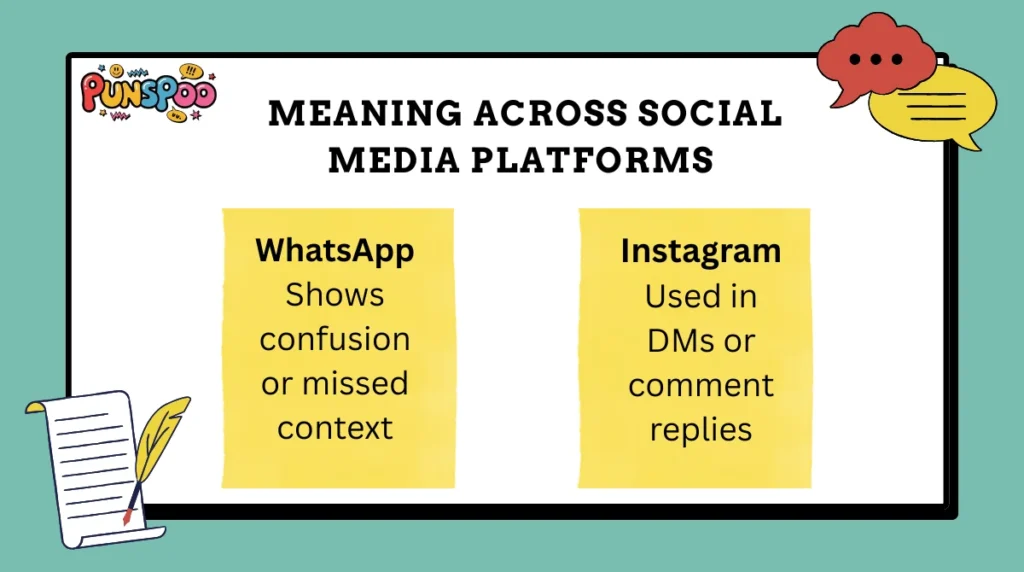
- Most common usage
- Shows confusion or missed context
- Used in DMs or comment replies
- Often playful
TikTok
- Seen in comment sections reacting to videos
- Meaning: “What is this?” or “I’m confused”
Snapchat
- Casual reaction
- Usually friendly or joking
6️⃣ Technical, Scientific & Other Meanings
Outside texting, “HU” (uppercase) has technical meanings:
- Medical: Hounsfield Units (CT scan measurement)
- Science: Measurement of radiodensity
- Aviation/Tech: Abbreviations or codes
⚠️ Important:
- hu (text slang) ≠ HU (technical term)
7️⃣ Common Misunderstandings & Wrong Usage ❌
People often misunderstand “hu” as:
- Rudeness (not always true)
- Disinterest (context matters)
- A typo (sometimes intentional)
Wrong usage:
- Using it in emails ❌
- Using it in formal writing ❌
8️⃣ Similar Words & Alternatives
| Word | Meaning | Usage Difference |
|---|---|---|
| Huh | Confusion | Slightly more clear |
| What? | Direct confusion | Can sound harsh |
| Sorry? | Polite confusion | Professional tone |
| Eh? | Informal reaction | Regional |
| Pardon? | Formal confusion | Respectful |
9️⃣ Difference Between “Hu” & Similar Terms
- Hu vs Huh: Hu is shorter, more casual
- Hu vs What: What is more direct, sometimes rude
- Hu vs Sorry?: Sorry is polite and safer
🔟 How to Use It in a Sentence
💬 Example 1: “Hu? I didn’t catch that 😅”
💬 Example 2: “Hu bro, explain again.”
💬 Example 3: “Hu 🤔 what happened?”
💬 Example 4: “Hu lol that was unexpected.”
1️⃣1️⃣ How to Reply When Someone Says “Hu”
Casual Reply
- “Oh, I mean…”
- “Let me explain again 😄”
Dating / Chat
- “Haha, I’ll explain 😉”
Professional
- Avoid replying with slang
- Clarify clearly
1️⃣2️⃣ Meaning in Online Dating & Social Conversations ❤️
In dating chats, “hu” often means:
- Confused interest
- Wanting more details
- Light teasing
It’s not negative, but short replies can feel low-effort if overused.
1️⃣3️⃣ Popularity & Trend Over Time 📈
- Increased with WhatsApp & Snapchat growth
- Popular in Gen Z texting
- Common in fast, informal conversations
1️⃣4️⃣ Why This Word Is Trending in 2026
- Short-form communication
- Meme culture
- Faster typing habits
- Multilingual texting influence
1️⃣5️⃣ Pros & Cons of Using “Hu”
✅ Pros
- Quick
- Casual
- Natural reaction
❌ Cons
- Can sound rude
- Unclear tone
- Not professional
FAQs
Q1: Is “hu” rude in text?
No, but it can feel rude depending on context.
Q2: Is “hu” a real English word?
No, it’s informal slang.
Q3: Can I use “hu” in professional chat?
Not recommended.
Q4: What’s the difference between hu and huh?
Meaning is same, spelling is informal.
Q5: Why do people reply with “hu”?
Confusion, surprise, or quick reaction.
Conclusion
Understanding the hu meaning in text is all about context, tone, and intent. It’s a small word, but it carries human emotion—confusion, curiosity, or surprise.
While it fits perfectly in casual chats and social media conversations, it doesn’t belong in professional communication.
As texting becomes faster and more informal, expressions like “hu” will continue to grow.
Knowing when to use it—and when not to—helps you communicate clearly without sounding careless.
If you ever receive a “hu,” don’t overthink it. Most of the time, it simply means: “Explain that again.”

“I’m Maria James, weaving playful word-magic into every pun I craft at PunsPoo. I love turning language upside down and making you smile one clever twist at a time.”