Ever sent a text on your iPhone and wondered if the person really meant what they typed? With the rise of digital communication, understanding the meaning in iPhone texts has become more important than ever.
People often use abbreviations, emojis, and subtle hints that can be confusing if taken literally.
From casual conversations with friends to professional messages, decoding the real intention behind a text can save misunderstandings and awkward situations.
This guide explores what people really mean in iPhone texts, how to interpret them in different contexts, and why these meanings keep evolving with online culture.
By the end, you’ll feel confident reading between the lines and replying like a pro.
1️⃣ Meaning & Definition
Exact Meaning: In iPhone texts, “meaning” refers to the intended message or emotion the sender wants to convey. It’s not just the words—they can carry tone, context, or hidden cues.
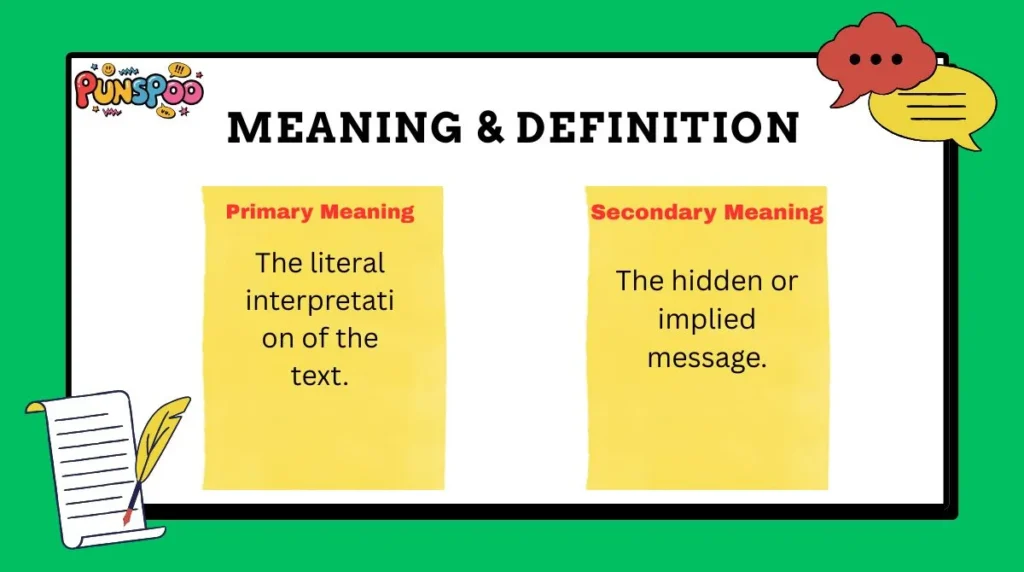
Primary Meaning: The literal interpretation of the text. For example, if someone texts “See you later,” the literal meaning is that they’ll meet you later.
Secondary Meaning: The hidden or implied message. Using the same example, “See you later” could mean they are slightly annoyed, joking, or uncertain about meeting.
Real-Life Clarity: Emojis, punctuation, or word choice can drastically change the meaning. “Okay.” vs. “Okay 😅” shows the difference between a serious response and a lighthearted one.
2️⃣ Origin & Background of the Term
The term “meaning” itself comes from Old English mǣnan, which means “to intend, signify, or express.” In texting, its evolution began with SMS culture in the early 2000s, where brevity was key. Emojis, GIFs, and abbreviations like “LOL” or “BRB” added layers of meaning. Today, iPhone users rely on predictive text, memojis, and stickers to convey subtle emotions, making decoding meaning an essential digital skill.
3️⃣ What Does It Really Mean in Daily Life?
In everyday texting, meaning is not just what is typed but how it is perceived.
- A “Hey” could signal genuine excitement or just a polite greeting.
- “Sure” might be agreement or mild irritation, depending on context.
- Emojis amplify emotions: ❤️ adds warmth, 😂 signals humor, 😬 shows awkwardness.
Understanding meaning in iPhone texts helps avoid overthinking or misinterpreting messages, making your conversations smoother and more relatable.
4️⃣ Usage in Different Contexts
Casual Chatting:
- “Wanna hang out later? 😎” → Friendly invite with excitement
- “K… 😒” → Slight irritation or disappointment
Professional/Workplace:
- “Received, thanks.” → Acknowledgement, professional tone
- “Let’s discuss this tomorrow.” → Polite deferment
Social Media Captions:
- “Living my best life 😍” → Expressing joy or contentment
- “Mood today: 😴☕” → Sharing personal feeling with humor
Text Messages:
- “On my way 🏃♂️” → Literal meaning plus urgency
- “Can we talk?” → Potentially serious or emotional conversation
5️⃣ Meaning Across Social Media Platforms 📱
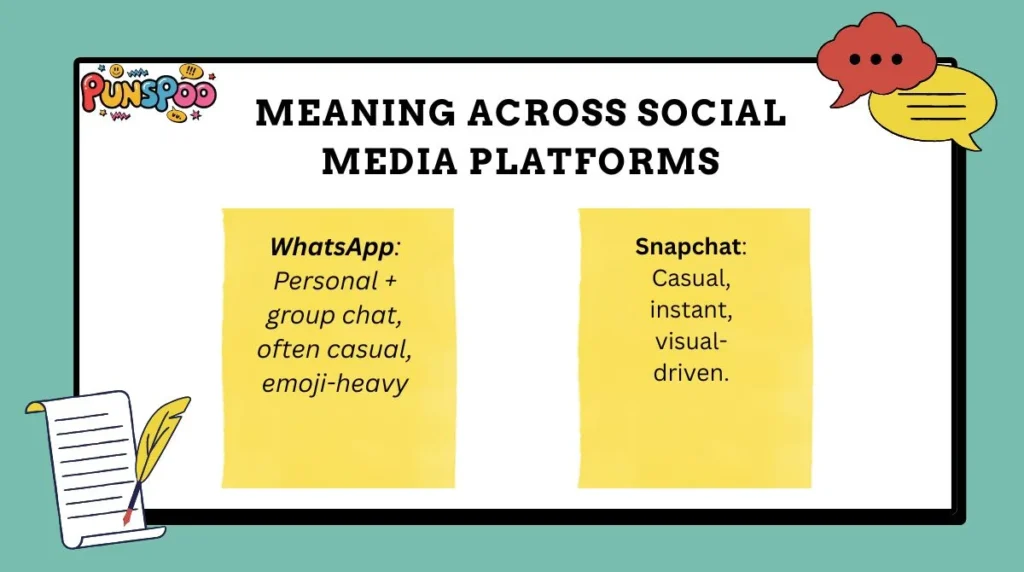
| Platform | Usage of Meaning in Texts | Example |
|---|---|---|
| Personal + group chat, often casual, emoji-heavy | “Lol 😂 that’s funny!” | |
| Short, witty, emoji-supported captions | “Vibes ✨💯” | |
| TikTok | Trendy, playful, often meme-based | “When you finally wake up 😎” |
| Snapchat | Casual, instant, visual-driven | “👀 what’s up?” |
6️⃣ Technical, Scientific & Other Meanings
While “meaning” in iPhone texts is usually emotional or conversational, it can have technical interpretations in certain fields:
- Linguistics: Semantics or intended communication
- Psychology: Understanding tone, sarcasm, or context
- Technology: Metadata analysis of text meaning in AI or NLP systems
7️⃣ Common Misunderstandings & Wrong Usage ❌
- Misreading “Okay.” as neutral when it’s passive-aggressive.
- Interpreting “😂” as purely funny, ignoring sarcasm.
- Overanalyzing a short text like “K” instead of taking it lightly.
Recognizing these patterns prevents confusion and unnecessary tension.
8️⃣ Similar Words & Alternatives
| Word | Synonym/Alternative | Difference in Usage |
|---|---|---|
| Meaning | Intent | Meaning = general; Intent = deliberate |
| Message | Communication | Message = text; Communication = broader |
| Implication | Hint | Implication = inferred meaning; Hint = subtle suggestion |
| Significance | Importance | Significance = meaning + weight; Importance = value |
| Connotation | Nuance | Connotation = emotional sense; Nuance = subtle difference |
9️⃣ Difference Between “Meaning” & Similar Terms
- Meaning vs. Intent: Meaning is the overall message; intent is what the sender specifically wants to achieve.
- Meaning vs. Connotation: Meaning is literal; connotation carries emotional or cultural undertones.
- Meaning vs. Interpretation: Meaning exists in text; interpretation is how the reader understands it.
🔟 How to Use It in a Sentence
💬 Example 1: “I don’t get the meaning in your last text 😅”
💬 Example 2: “The meaning behind that emoji was obvious ❤️”
💬 Example 3: “Can you clarify the meaning? Kinda confused 😬”
💬 Example 4: “Her texts always have hidden meaning 😏”
1️⃣1️⃣ How to Reply When Someone Uses This Word
- Dating: “Aww, I get what you mean 😘”
- Casual Chat: “Haha, got the meaning 😆”
- Professional: “Understood, thanks for clarifying”
1️⃣2️⃣ Meaning in Online Dating & Social Conversations ❤️
Gen Z and Millennials often use emojis, abbreviations, and GIFs to convey nuanced meaning. “ILY 😘” is direct affection, while “LOL” can signal playful teasing. Understanding these layers is key to meaningful digital relationships.
1️⃣3️⃣ Popularity & Trend Over Time 📈
Google Trends shows searches for “meaning in texts” rise every year as texting apps and social media dominate communication. Emojis and new slang constantly influence the evolving meaning in iPhone texts.
1️⃣4️⃣ Why This Word Is Trending in 2026
- Increase in AI predictive texting
- Viral memes and TikTok trends
- More online communication, fewer face-to-face chats
- Younger generations emphasizing tone and context
1️⃣5️⃣ Pros & Cons of Using This Term
Pros:
- Enhances clarity when understood
- Adds emotional depth to short texts
- Reduces miscommunication
Cons:
- Misinterpretation is common
- Overthinking can create tension
- Slang and emojis may confuse older readers
FAQs
Q1: What does “meaning in iPhone texts” really mean?
A: It’s the intended message or emotion behind a text, often influenced by context, emojis, or tone.
Q2: Can emojis change the meaning of a text?
A: Absolutely! Emojis can shift a literal message to humorous, sarcastic, or affectionate.
Q3: How can I understand hidden meaning in texts?
A: Look at context, word choice, punctuation, and accompanying emojis for clues.
Q4: Is “K” always negative?
A: Not always—context matters. It can be neutral, dismissive, or casual.
Q5: Why is meaning in texts important in dating?
A: It helps avoid miscommunication and ensures intentions are clear in digital conversations.
Conclusion
Understanding meaning in iPhone texts is more than reading words—it’s decoding emotions, intentions, and context.
With texting dominating our daily communication, mastering this skill helps build better relationships, reduces misunderstandings, and makes digital conversations smoother.
Emojis, punctuation, and tone are key tools, and knowing how to interpret them ensures you never miss the subtle messages behind a text.
Whether for casual chats, professional communication, or online dating, reading between the lines is now an essential life skill.

“I’m Maria James, weaving playful word-magic into every pun I craft at PunsPoo. I love turning language upside down and making you smile one clever twist at a time.”