Have you ever been texting or scrolling through social media and stumbled across the term “wtv”? If so, you’re not alone—many people search for its meaning every day.
But what does it actually mean, and why do so many people use it in casual conversations online? In simple terms, wtv is an abbreviation that saves time and adds a relaxed tone to texts.
Whether it’s a quick reply to a friend or a casual comment on social media, understanding this term helps you keep up with modern digital communication.
This guide breaks down the meaning, origins, real-life uses, and even common misunderstandings of wtv, so you can confidently use it in texts, chats, and social conversations.
1️⃣ Meaning & Definition
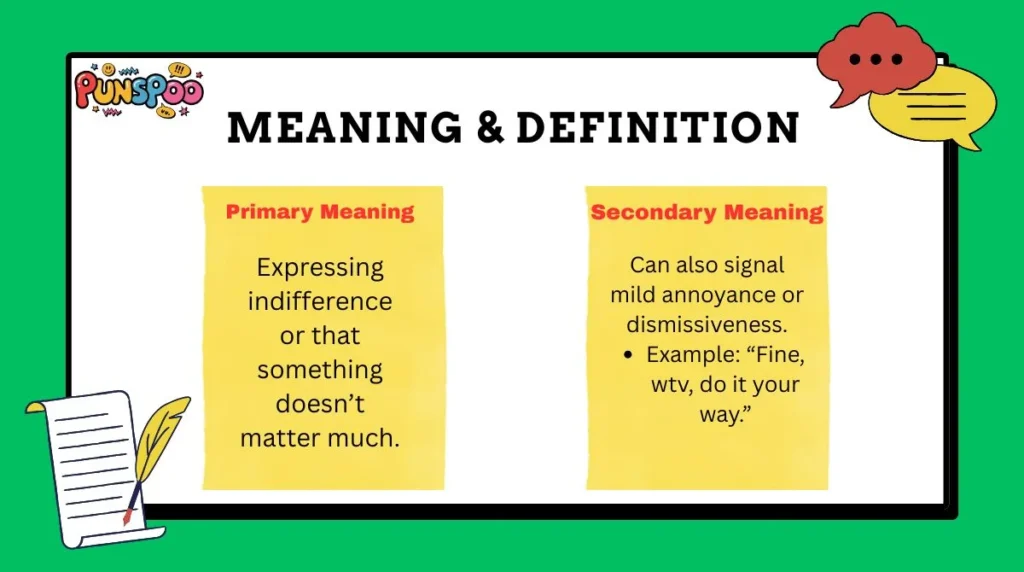
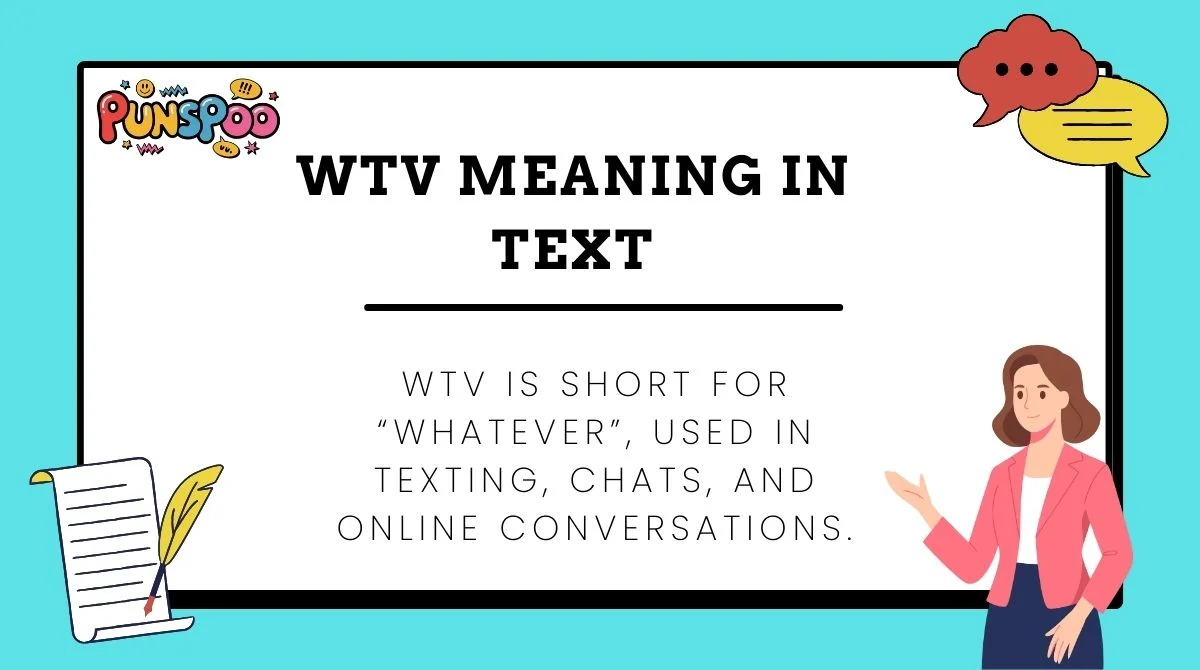
WTV is short for “whatever”, used in texting, chats, and online conversations.
- Primary meaning: Expressing indifference or that something doesn’t matter much.
- Example: “I don’t mind where we eat, wtv.”
- Secondary meaning: Can also signal mild annoyance or dismissiveness.
- Example: “Fine, wtv, do it your way.”
In short, wtv is a casual, shorthand way of saying “it’s okay” or “I don’t care much,” depending on tone and context. It’s widely used in informal digital conversations to save time and type quickly.
2️⃣ Origin & Background of the Term
WTV comes from the English word “whatever,” which has been in use since the 16th century. However, the abbreviation wtv became popular with the rise of SMS texting and online chats in the early 2000s. It’s part of a broader trend of shortening words for speed and efficiency in digital communication. Over time, wtv became common slang among teenagers and young adults, especially on platforms like Facebook, WhatsApp, and Instagram, where fast typing is key.
3️⃣ What Does It Really Mean in Daily Life?
In everyday conversations, wtv isn’t just a word—it carries emotion. Depending on context, it can:
- Show indifference: You’re okay with any option.
- Signal frustration: You don’t want to argue.
- Express casual dismissal: You’re letting the topic slide.
For instance, if a friend debates endlessly about a movie choice, replying “wtv” politely ends the conversation without sounding rude. It’s a small but powerful tool in modern texting culture.
4️⃣ Usage in Different Contexts
Casual Chatting:
- Friend: “Do you want pizza or burgers?”
- You: “Wtv, your choice 🍕🍔”
Professional/Workplace (informal messages only):
- “The report can wait until tomorrow, wtv works for me.”
Social Media Captions:
- “Late night vibes… wtv happens, happens 🌙✨”
Text Messages:
- “Can’t meet today? Wtv, we’ll catch up later 👍”
5️⃣ Meaning Across Social Media Platforms 📱
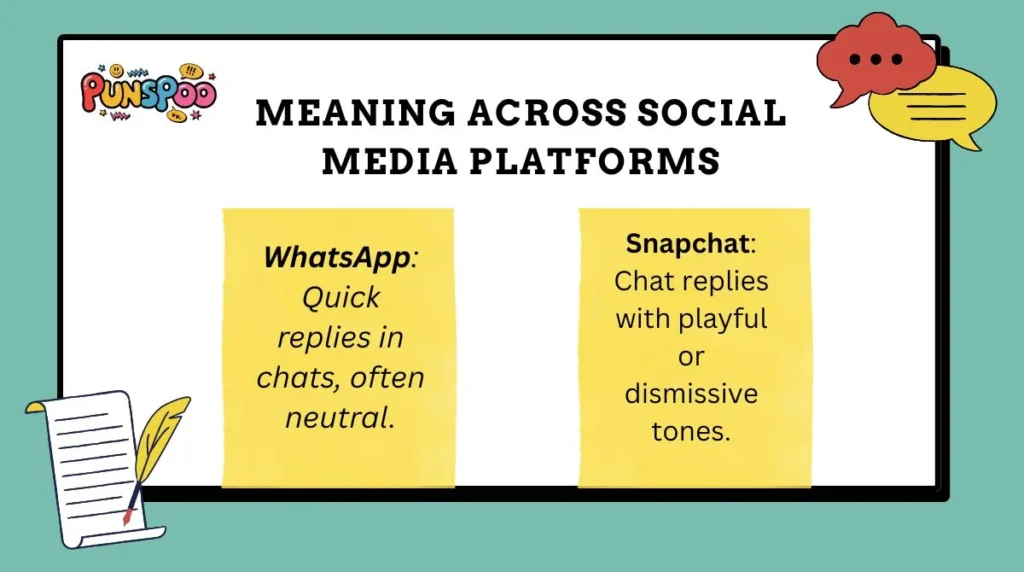
- WhatsApp: Quick replies in chats, often neutral.
- Instagram: Comment sections or DMs to show indifference or humor.
- TikTok: Casual captions or replies to trending videos.
- Snapchat: Chat replies with playful or dismissive tones.
Different platforms influence tone, but the base meaning remains “whatever.”
6️⃣ Technical, Scientific & Other Meanings
While wtv is mostly slang, it can occasionally appear in technical contexts as an acronym unrelated to texting:
- WTv in aviation: Weight-to-volume ratio.
- WTV in technology: Could refer to Windows Television Video file format (rare).
In everyday texting, though, these meanings are almost never used.
7️⃣ Common Misunderstandings & Wrong Usage ❌
Many people mistake wtv for:
- Rudeness or anger (context matters).
- Serious or formal agreement (not suitable for professional emails).
- A typo for wtf—they’re very different!
✅ Tip: Check tone and platform before using wtv to avoid miscommunication.
8️⃣ Similar Words & Alternatives
| Word | Meaning | Usage Difference | Example |
|---|---|---|---|
| whatever | Same as wtv, slightly more formal | Longer, more clear | “I’ll eat whatever you want.” |
| no problem | Agreeing, friendly | Less dismissive | “No problem, I can help.” |
| doesn’t matter | Neutral | Less casual | “It doesn’t matter which one we choose.” |
| meh | Indifference | More casual, slangy | “Meh, I don’t care 😒” |
9️⃣ Difference Between WTV & Similar Terms
- wtv vs whatever: Both mean the same; wtv is faster.
- wtv vs meh: Meh shows boredom, wtv shows neutrality.
- wtv vs ok: Ok agrees, wtv indicates indifference.
🔟 How to Use It in a Sentence
💬 Example 1: “Want to watch a movie or play games?” – “Wtv, your choice 😎”
💬 Example 2: “I think we should go now.” – “Wtv, I’m ready.”
💬 Example 3: “I don’t like this song.” – “Wtv, I like it 🎵”
💬 Example 4: “We need to redo this project.” – “Wtv, let’s start fresh.”
1️⃣1️⃣ How to Reply When Someone Uses This Word
- Casual: “Haha okay 😅”
- Flirty/Dating: “Wtv you say, I’m easy 😉”
- Friendship: “Got it, no worries 👍”
Tone matters—wtv can be playful, dismissive, or neutral.
1️⃣2️⃣ Meaning in Online Dating & Social Conversations ❤️
In dating apps, wtv often signals flexibility:
- “Dinner at 7 or 8?” → “Wtv, I’m free either way 😏”
It’s friendly, laid-back, and avoids overthinking small decisions. Millennials and Gen Z love it for keeping conversations light.
1️⃣3️⃣ Popularity & Trend Over Time 📈
Google Trends show searches for wtv meaning spiked with the rise of texting apps in 2010–2015 and have remained stable due to social media growth. It’s consistently popular among teens and young adults.
1️⃣4️⃣ Why This Word Is Trending in 2026
- Reels & short videos: Casual captions include wtv for humor.
- Memes: Shows nonchalance or sarcasm in memes.
- Digital culture: Part of fast-paced online language evolution.
1️⃣5️⃣ Pros & Cons of Using This Term
Pros:
- Quick and casual
- Expresses indifference without rudeness
- Popular among young people
Cons:
- Can seem dismissive if tone misread
- Not suitable for professional emails
- May confuse older audiences unfamiliar with slang
FAQs
Q1: Is wtv rude?
Not always—context matters. It can be neutral or playful.
Q2: Can I use wtv professionally?
Better to avoid; it’s casual slang.
Q3: Is wtv the same as whatever?
Yes, just shorter and faster to type.
Q4: How do I respond to wtv?
Keep it light: “Ok 😄” or “Sure 👍”
Q5: Can wtv be used in memes?
Absolutely, it’s common for humorous, casual memes.
Conclusion
WTV is more than just a three-letter abbreviation—it’s a reflection of modern digital communication.
From texting friends to leaving casual social media comments, it allows people to express indifference, flexibility, or light frustration quickly.
While widely accepted among teens and young adults, tone and context are crucial; using wtv in professional or formal situations can lead to misunderstandings.
Its simplicity, versatility, and presence across platforms like WhatsApp, Instagram, and TikTok make it a staple in 2026 digital culture.
By understanding its meaning, alternatives, and correct usage, you can confidently add wtv to your texting vocabulary without sounding rude or careless.
It’s the perfect shorthand for today’s fast-paced, emoji-filled conversations.

“I’m Maria James, weaving playful word-magic into every pun I craft at PunsPoo. I love turning language upside down and making you smile one clever twist at a time.”